

SIGN UP to get your free meditation
and learn how to breathe in the good shit,
breathe out the b*llshit
and create your magical life.
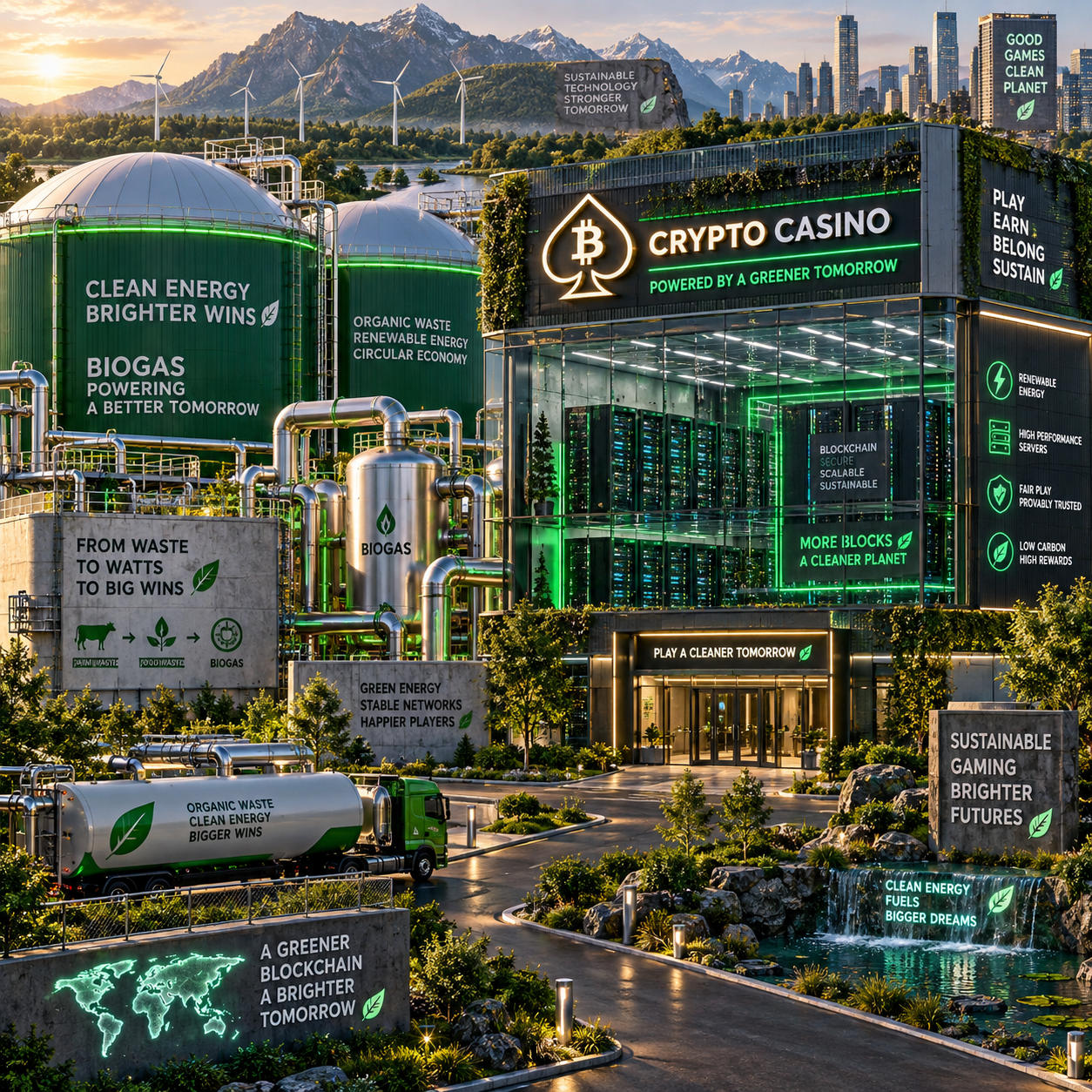
Anyone who's followed the online gambling industry over the past few years knows the environmental spotlight has grown uncomfortably bright. Between rising electricity prices across the UK and tightening sustainability expectations from regulators, operators can no longer treat energy consumption as someone else's problem. I've spent a fair amount of time researching how blockchain-based gaming platforms are responding, and 2026 is shaping up to be something of a turning point. What's emerging isn't just token gestures toward 'going green' — it's a genuine restructuring of how these platforms power their infrastructure, with biogas innovation and smarter data centre design leading the charge.
It's easy to underestimate just how much power a blockchain-based gambling platform actually consumes. Every spin, every hand of poker, every crypto transaction that gets verified on-chain requires computational resources running around the clock. Add real-time gaming infrastructure that can't afford downtime, plus the redundant server architecture needed to keep things secure, and you've got a genuinely energy-hungry operation. UK operators are caught between two pressures simultaneously: environmental regulations that keep tightening, and a growing base of players who actively care whether their entertainment platform is contributing to climate damage.
Conventional data centres, the kind still tethered to fossil-fuel-heavy national grids, simply weren't built with today's sustainability targets in mind. They're often inefficient at managing heat, rely on carbon-intensive backup generators, and offer little flexibility for operators wanting to demonstrate measurable environmental progress. For crypto casinos trying to differentiate themselves in a crowded market, sticking with legacy infrastructure has become something of a liability rather than a neutral choice.
This is where biogas enters the conversation, and honestly, it's one of the more interesting developments I've come across in this space. Biogas is produced when organic waste — think agricultural residue, food scraps, even sewage — breaks down anaerobically, releasing methane that can be captured and burned for electricity. It's not a new concept, but its application to powering server farms is relatively fresh territory, and it's gaining real traction among tech-forward gambling operators looking for renewable alternatives that don't depend entirely on weather conditions like solar or wind.
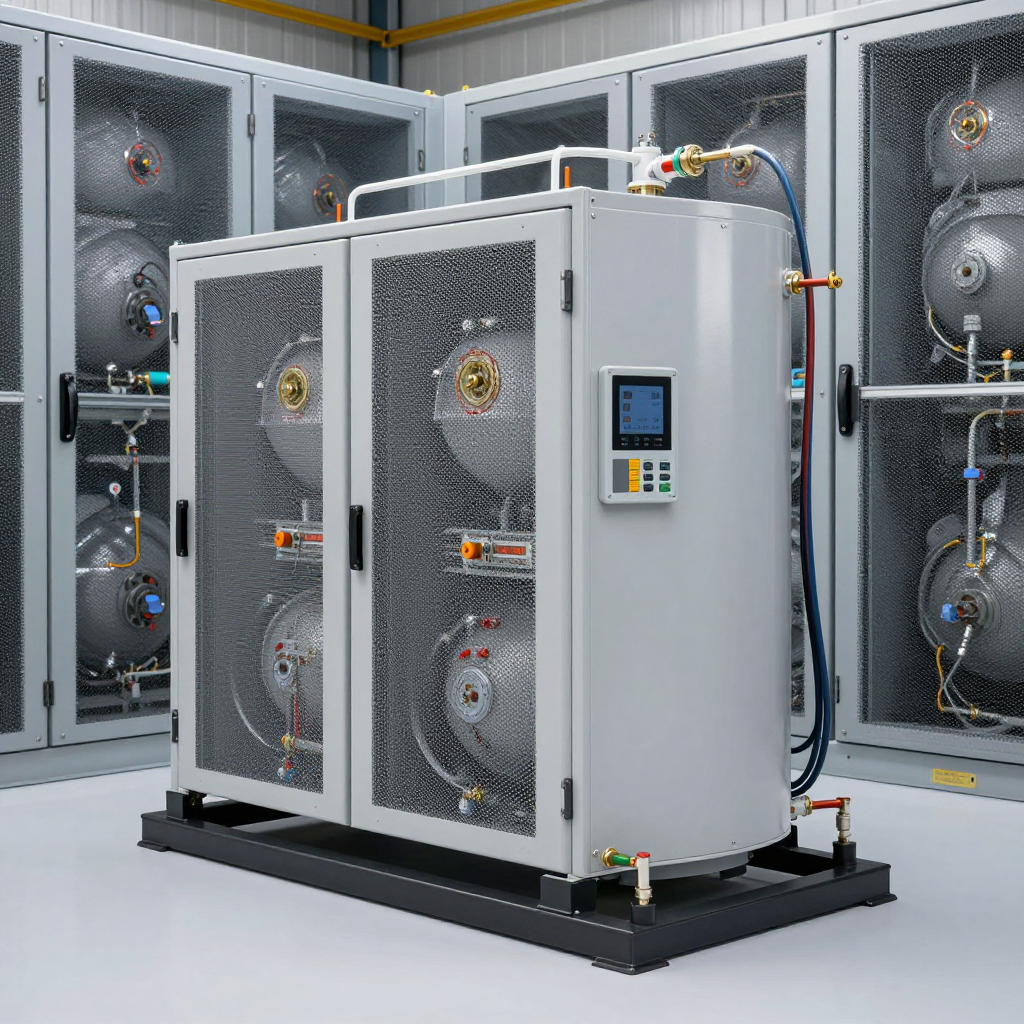
What's particularly exciting is the emergence of compact, modular biogas systems designed for smaller-scale deployment. Companies like crypto casino operators are increasingly exploring are building scalable units that can sit closer to the point of consumption rather than requiring massive centralized plants. This decentralized approach matters enormously for gaming servers, which often need reliable, localized power rather than depending on long transmission lines from distant renewable installations. A micro-scale biogas unit sited near a data hub can provide consistent baseload power, complementing intermittent sources like solar and reducing an operator's reliance on the national grid during peak demand periods.
Across the UK, illustrative examples are popping up of operators retrofitting existing server facilities or relocating entirely to green-certified data hubs. Some platforms have invested in liquid cooling systems that dramatically cut the energy needed to keep servers at operational temperature, while others have shifted to energy-efficient ASIC and GPU hardware specifically chosen for lower wattage draw per transaction processed. Carbon offset programs, once treated as a marketing afterthought, are now being paired with actual infrastructure changes rather than standing in as the sole sustainability claim.
One model I find particularly compelling involves direct investment. Rather than simply purchasing renewable energy credits, some UK gambling platforms are entering into joint ventures with biogas and solar startups, effectively co-financing infrastructure projects in exchange for long-term power purchase agreements. This gives operators price stability against volatile energy markets while giving renewable startups the capital they need to scale. It's a symbiotic relationship that's becoming more common as both sides recognize the mutual benefit.
The UK Gambling Commission has increasingly signaled that environmental responsibility sits alongside player protection as an area of scrutiny, even if formal mandates are still evolving. Meanwhile, broader ESG investment trends mean institutional backers are far less willing to fund operators without credible sustainability credentials. In a market as saturated as online casino gaming, being able to point to real biogas partnerships or verified green data centre certification has become a genuine competitive differentiator, not just a compliance checkbox.
None of this comes without real obstacles. Upfront infrastructure costs for biogas systems remain substantial, and scaling micro-biogas solutions to match the demands of larger gaming platforms is still very much a work in progress. Energy storage limitations also mean operators can't yet rely entirely on renewable sources without some grid backup, and there's a genuine shortage of technical expertise capable of designing and maintaining these hybrid systems. It's a transition, not an overnight switch, and anyone claiming otherwise probably hasn't looked closely at the engineering involved.
Taken together, the momentum behind green energy adoption in the UK crypto casino sector feels less like a passing trend and more like a structural shift. Biogas innovation and sustainable data centre design aren't simply boxes operators tick to satisfy regulators — they're becoming strategic investments that will shape competitiveness, cost structures, and player trust well beyond 2026. The operators paying attention now are likely to be the ones still thriving when sustainability stops being optional and becomes the baseline expectation for the entire industry.

You’ve taken your first major step to creating the life you desire filled with happiness, purpose, meaning and oh-so much fulfillment!
Now, go ahead and check your email for all the juicy goods and details.
Can’t wait to get this awesome life party started!